For curious eaters
Filipino culture & trivia
A small FAQ about food, language, and customs—nothing academic, just things guests often ask. Traditions differ by family and region; think of this as a friendly doorway, not the final word.
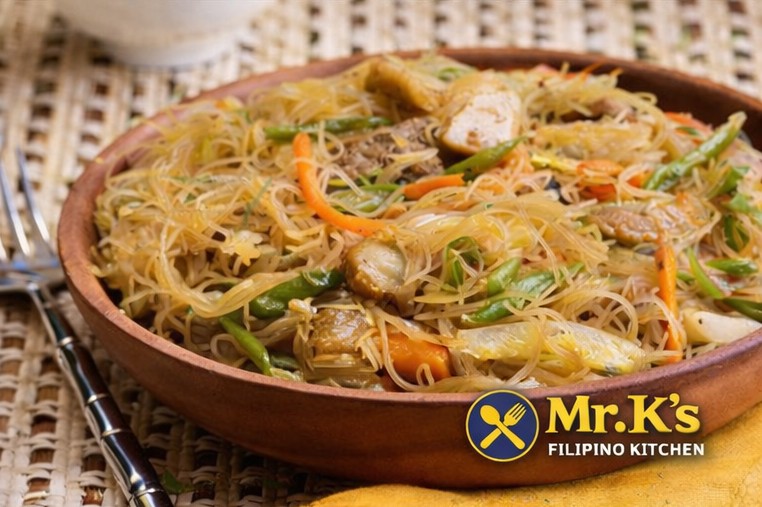
Why is pancit so common at Filipino birthdays?
Long noodles symbolize long life and good health—so birthday spreads often include pancit (stir-fried noodles) alongside other favorites. It’s a wish for the celebrant, wrapped up in something delicious.
What’s the difference between lumpia and a generic “spring roll”?
Lumpia is the Filipino take on filled, rolled wrappers: fillings and seasonings reflect Filipino kitchens—think garlic, soy, fish sauce, local vegetables, and proteins like pork, beef, or chicken. Names and styles vary (lumpiang Shanghai, lumpiang sariwa, etc.), but they’re all part of the same happy tradition.
What is a “silog” breakfast?
“Silog” comes from sinangag (garlic fried rice) and itlog (egg). Pair those with a protein—tocino, longganisa, tapa, bangus—and you have tapsilog, tosilog, and so on. It’s a beloved morning (or anytime) meal in the Philippines and in Filipino homes abroad.
Why do some people say “po” and “opo”?
They’re polite particles—roughly like adding “sir/ma’am” or extra respect to a sentence. “Opo” is a respectful “yes.” You’ll hear them a lot in Tagalog conversation; other Philippine languages have their own courteous phrases too.
Is leche flan the same as crème caramel?
They’re cousins. Filipino leche flan is often richer and deeper in color—more egg yolks, sometimes a thicker caramel—and it shows up at parties, holidays, and merienda. If you love custard, you’re in the right place.
What is “sawsawan”?
It’s the dipping sauce or condiment mix at the table—vinegar with garlic and chili, toyomansi (soy + calamansi), banana ketchup, or whatever the cook prefers. Food is often adjusted bite by bite, so don’t be shy to try a little dip.
Why do Filipino dish names sometimes sound Spanish?
Philippine history includes centuries of Spanish influence, so many food words (leche flan, tocino, pan de sal, and more) carry that legacy. Today’s Filipino cuisine also folds in Malay, Chinese, American, and indigenous roots—one reason the food is so layered.
What is “kamayan”?
Eating with clean hands, often from banana leaves or a shared spread. It’s communal and festive—not an everyday rule, but a cherished way to gather at special occasions. Restaurants and families may do their own twist.
What is “merienda”?
A snack break between main meals—think mid-morning or afternoon. It might be pan de sal, turon, halo-halo, or leftovers from the fridge. It’s as much social as it is culinary.
What is “bayanihan”?
A spirit of neighbors helping neighbors—historically pictured as moving a house together, but used broadly for community teamwork. Many Filipino families abroad keep that value alive through potlucks, care packages, and showing up for each other.
Are these rules everyone must follow?
Not at all. The Philippines has many regions, languages, and family traditions. What matters is curiosity and respect—if you’re unsure, ask politely or enjoy the food and say thank you. Salamat!
Hungry yet? Browse the menu or read our story.